

Special Chair
Special Chairs are professorships made possible by an external partner. Such special appointments have a dual benefit: the organisation gains access to academic expertise, while the university contributes to socially relevant applications of that knowledge.

Special Chair in short
Term
At least 5 years
The Chair will be established for several years, with the possibility of extension.
Goal
Subject-related commitment
The partner and the university enter into a subject-related commitment focused on the appointment of the Professor.
Scope
Bilateral
In most cases, this involves a collaboration between the University of Amsterdam and one external partner. Occasionally, more parties are involved.
Financial
Partner funds the Chair
The partner finances the Chair and/or releases the Professor in question from some or all of their duties.
A Special Chair substantially enriches the University's educational and research offerings, and the appointment must fit in with the faculty's profile and strategy. The Professor by special appointment is funded by the external party for a minimum of 0.2 FTE for a term of five years.
Partner network of Special Chairs
The organisations listed below fund a Professor by special appointment at the Faculty of Humanities of the University of Amsterdam.
Allard Pierson

CHC

Duitsland Instituut Amsterdam

Eye Filmmuseum
Fiep Westendorp Foundation

Indisch Herinnerings Centrum

KB (Herman de la Fontaine Verwey-leerstoel)

KNAW Huygens Instituut

KNAW NIOD
KNAW NIOD

Koninklijke Boekverkopersbond

Maatschappij der Nederlandsche Letterkunde

Menasseh Ben Israel Instituut

Nationaal Archief

Nederlands Genootschap voor Internationale Zaken

Nederlands Genootschap voor Nieuwgriekse Studies

Nederlandse Defensie Academie

RCE

Stichting Nationale Opera & Ballet

Universala Esperanto-Asocio

VandenEnde Foundation

Wilhelmina Drucker Fundatie

Wim Crouwel Instituut

Zuid-Afrikahuis Nederland
Other forms of collaboriation
The University Quarter is home to a unique concentration of humanities expertise and talent. Companies can collaborate with students, researchers and entrepreneurs in various ways.

Collaborate with talent
The Amsterdam Humanities Hub is a breeding ground for young talent, with thousands of motivated students studying at Bachelor's and Master's level at the Faculty of Humanities. Here, organisations can find the talent the...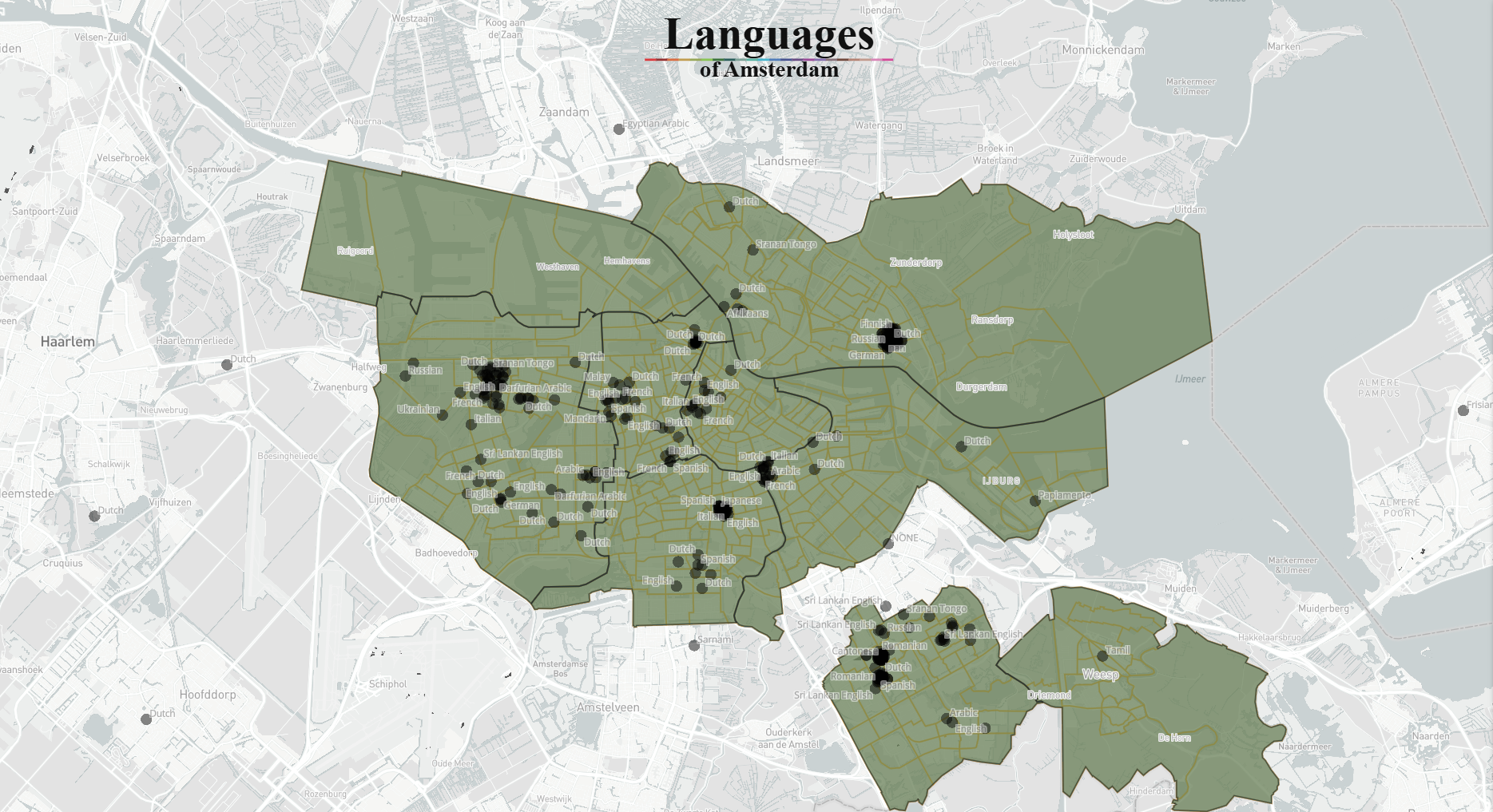
Academic advice
Do you need advice from a scholar on a social issue? The Amsterdam Humanities Hub has a large number of experts in a wide range of fields, from historians, media scholars, language, culture and regional specialists, phil...
Proof of concept collaboration
In this form of collaboration, two or more partners work on the development of a proof of concept (for example, for an app). The collaboration may result in a longer-term partnership.
Research consortium
In a research consortium, several knowledge institutions work together with social partners and/or government bodies for at least four years on a social issue.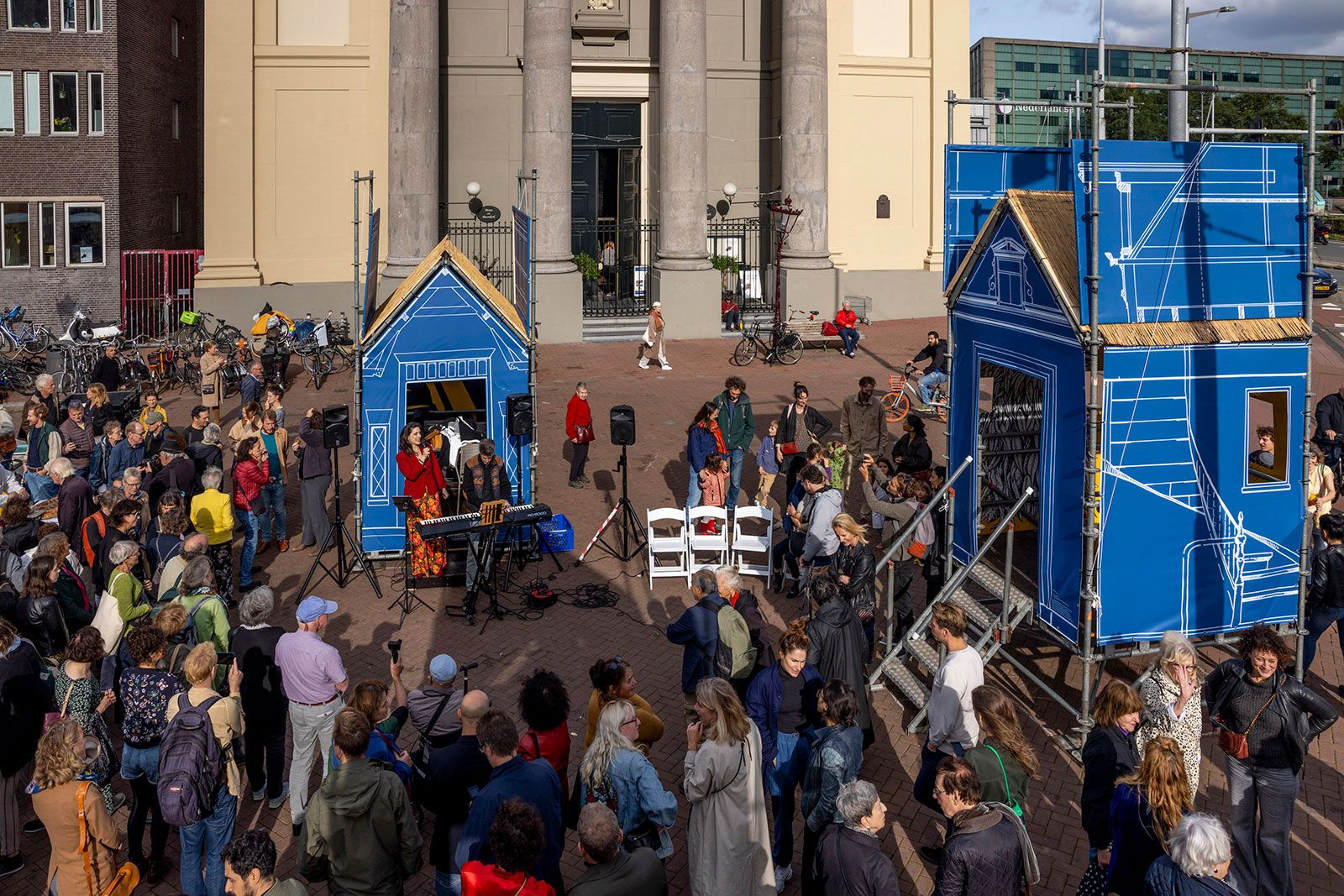
Living Lab
A living lab is located in a defined physical area where various parties work together on an innovative solution in a real-life setting. This “real-life” environment is necessary to develop innovative solutions that can ...
Strategic partnership
A strategic partnership involves entering into an agreement between the university and an external organisation for long-term collaboration with a shared research agenda. Various models of collaboration are active within...