
Windows on the Humanities opened in the University Quarter
Anyone passing building BG5, opposite the entrance to the University Library, can now pause at four 'Windows on the Humanities'. In the windows of the Pyramid Room, the Amsterdam Humanities Hub offers a glimpse of the special projects carried out by its researchers.
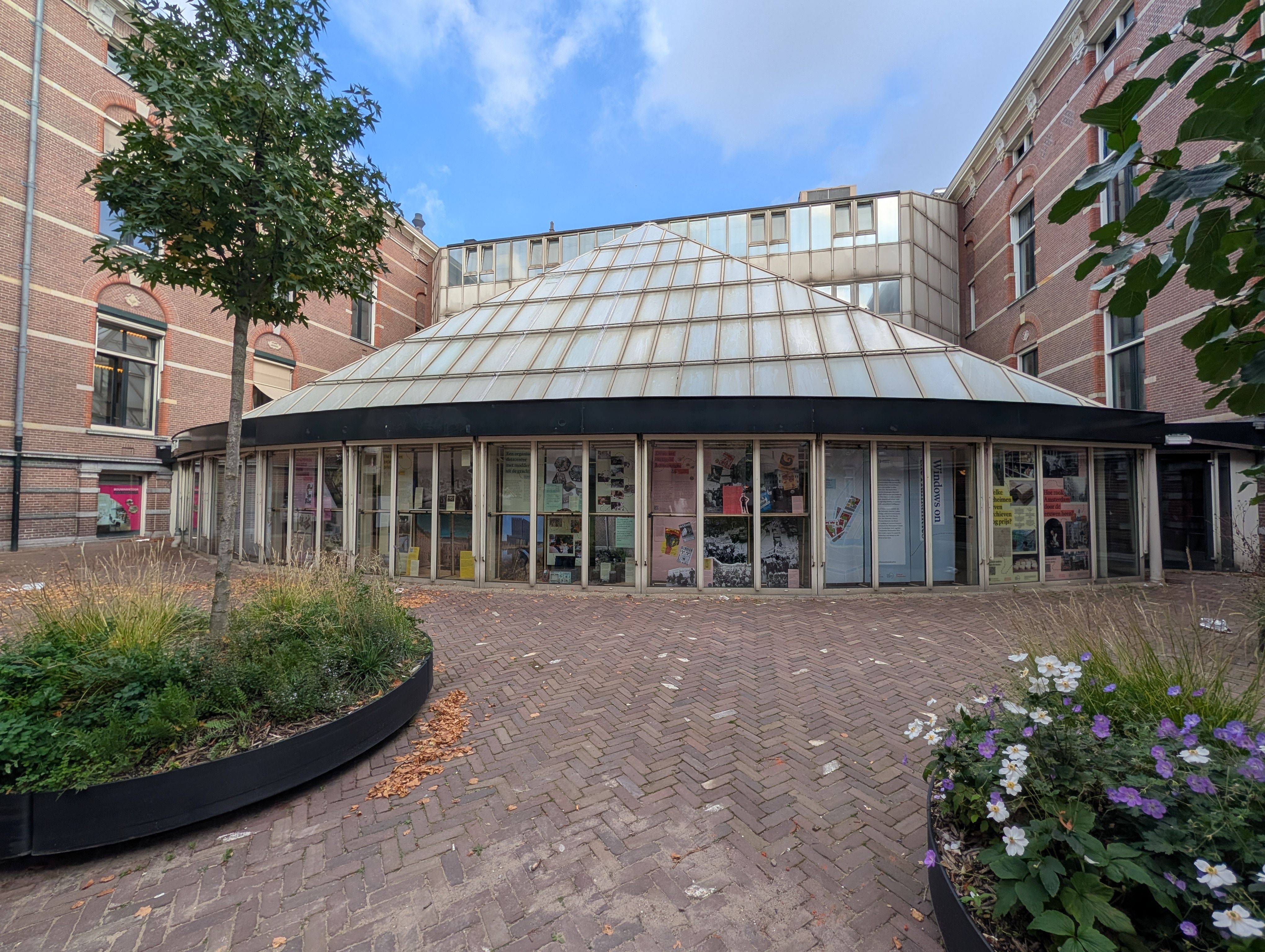
With this exhibition, the Faculty of Humanities and its partners in the University Quarter are making use of the windows of the vacant BG5 building. In doing so, they draw the attention of passers-by to remarkable research and surprising collaborations. The highlighted projects connect past and present with pressing social issues.
The exhibition is an initiative of the Amsterdam Humanities Hub. This partnership between the UvA’s Faculty of Humanities, the Humanities institutes of the Royal Netherlands Academy of Arts and Sciences (KNAW) and the City of Amsterdam is based in the University Quarter. The AHH brings researchers and young talent together with partners from, among others, the cultural sector, government and business community. Through co-creation, they work on new perspectives on urgent social questions.
The exhibition is updated regularly, so that different projects, partners and perspectives can be showcased over time. In the first few months, four projects are on display:
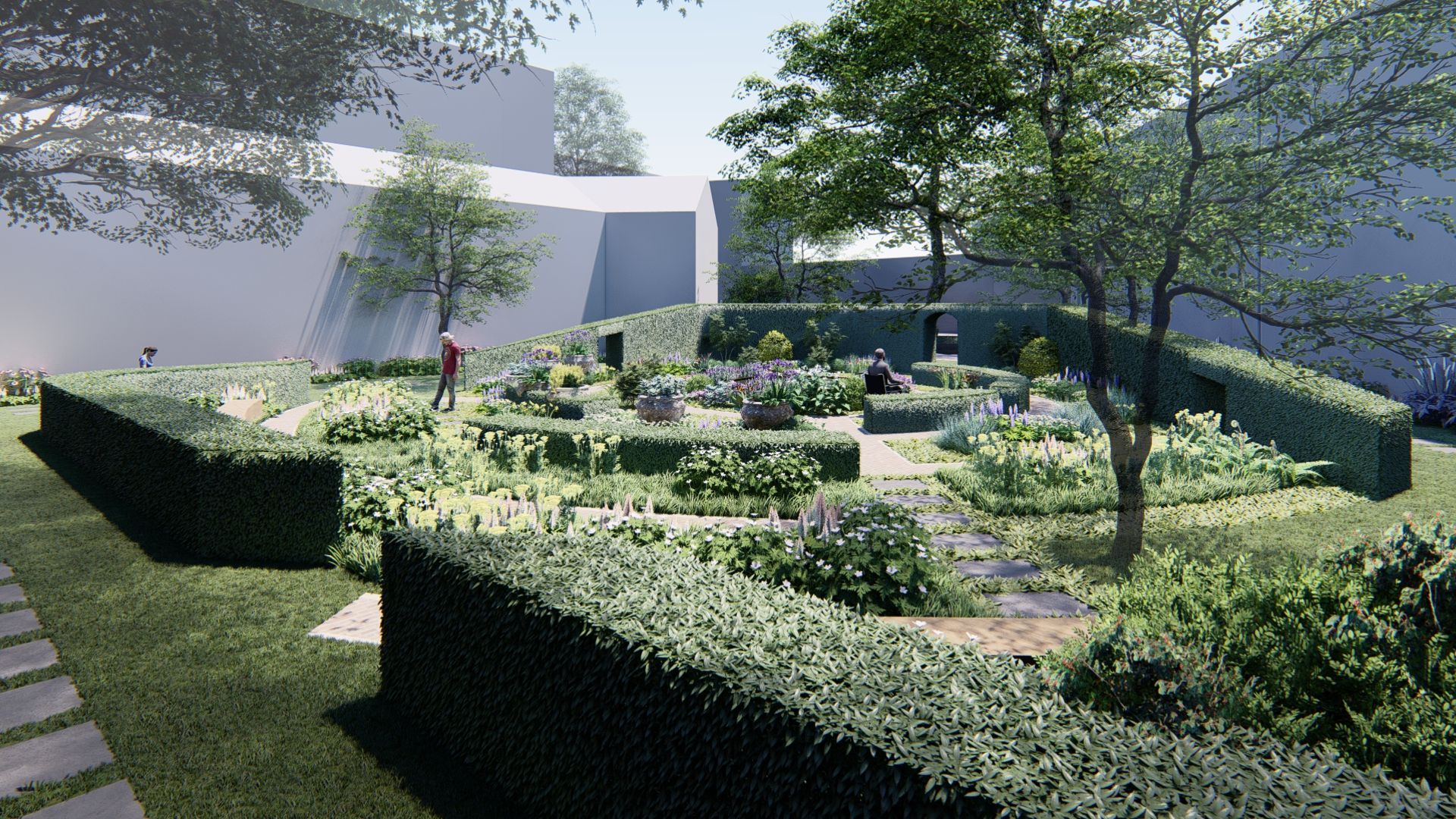
From 1664 to 1682, the Binnengasthuis site was home to a garden with medicinal plants used in the training of apothecaries. In the coming months, the seventeenth-century Hortus Medicus will be recreated in the courtyard garden of the Allard Pierson.
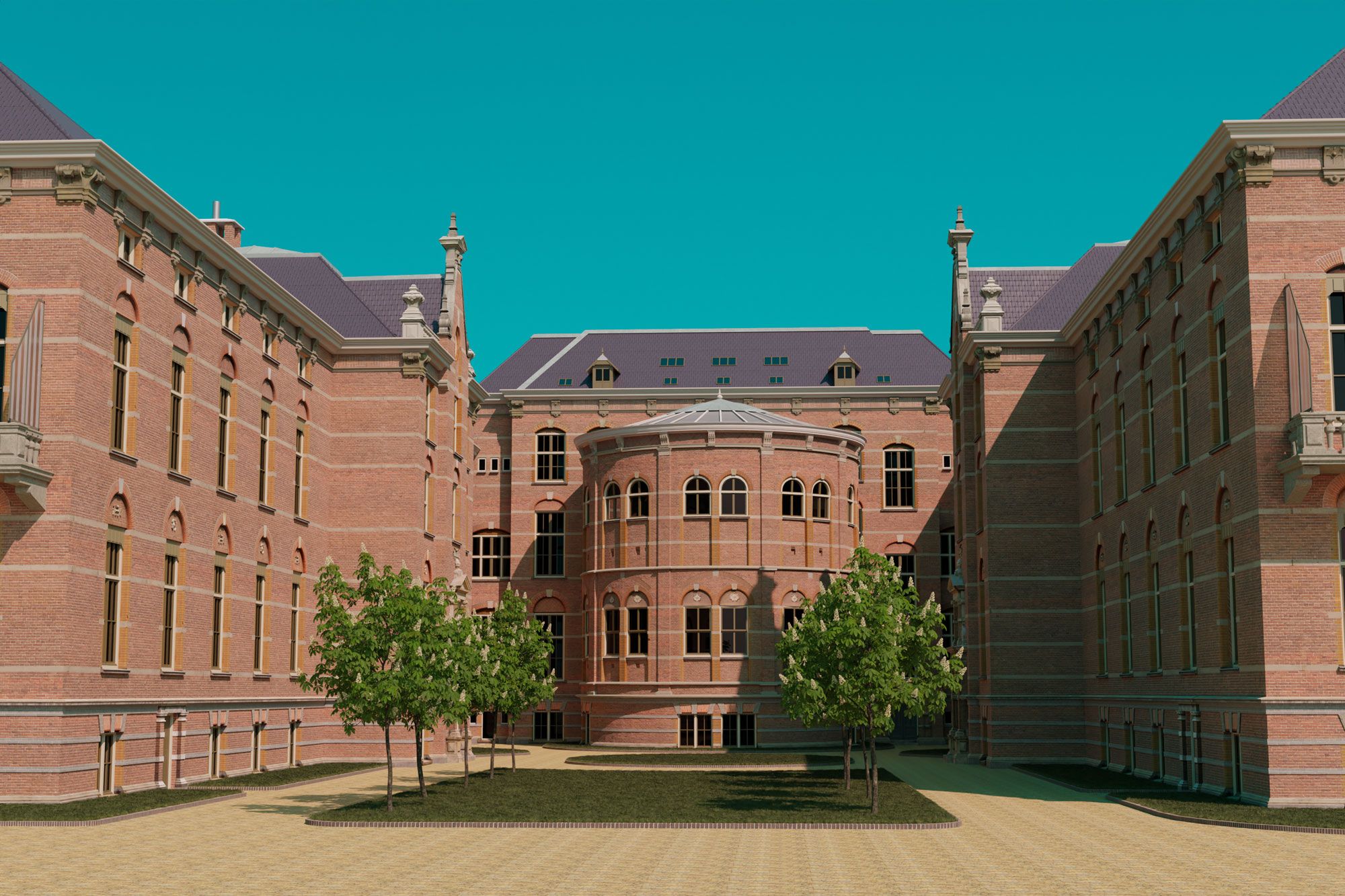
Researchers from the 4D Research Lab use photographs, laser scans, drone footage, sound recordings and diaries to reconstruct historical places and objects in 3D models – for example, a scale model of the vanished Amsterdam neighbourhood of Vlooienburg.
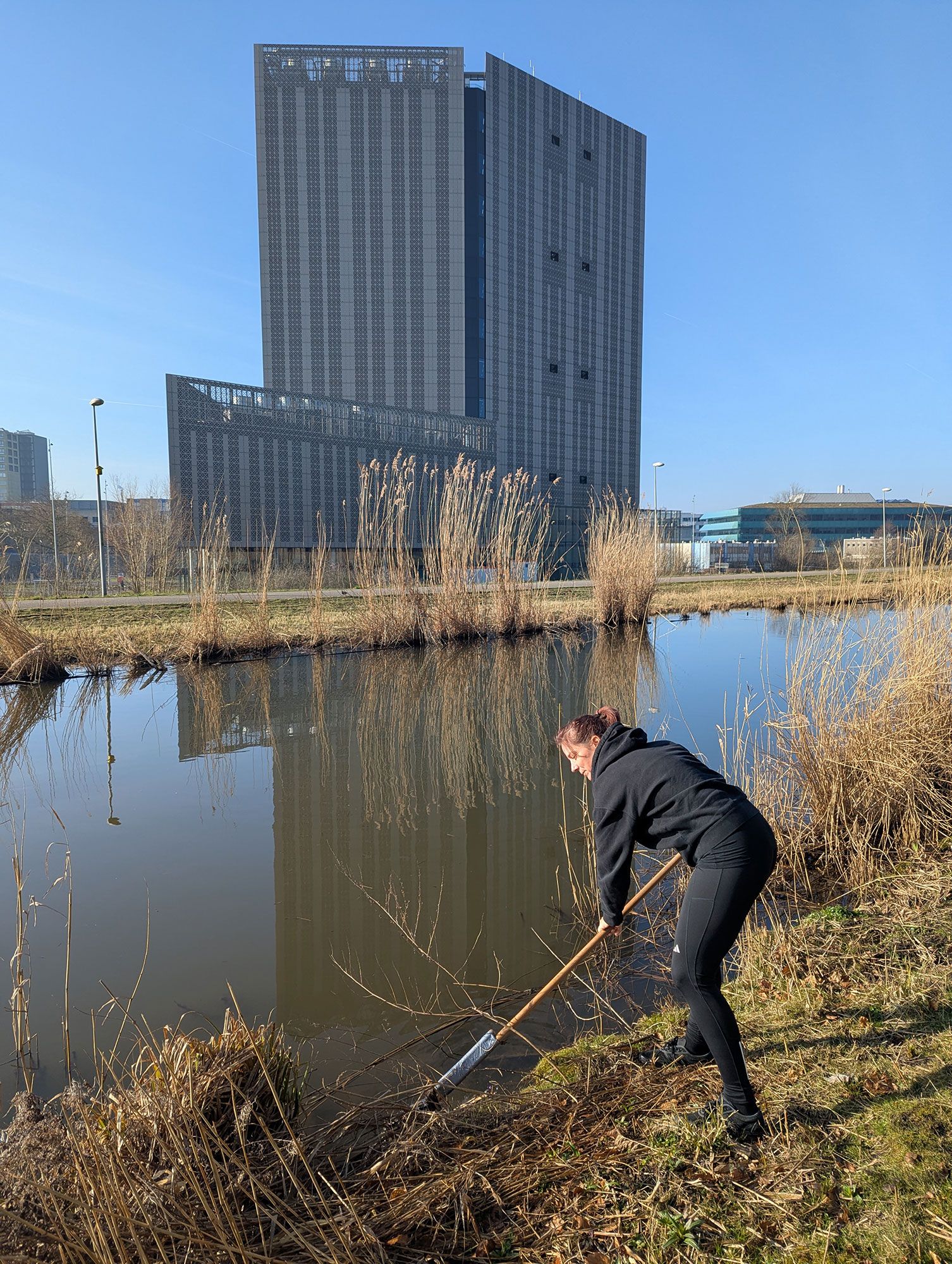
The critical infrastructure lab explores how digital infrastructures can be organised differently: less focused on growth, profit and control, and more on the interests of people and planet. One of the things you can see live is how energy can be generated from Amsterdam mud.
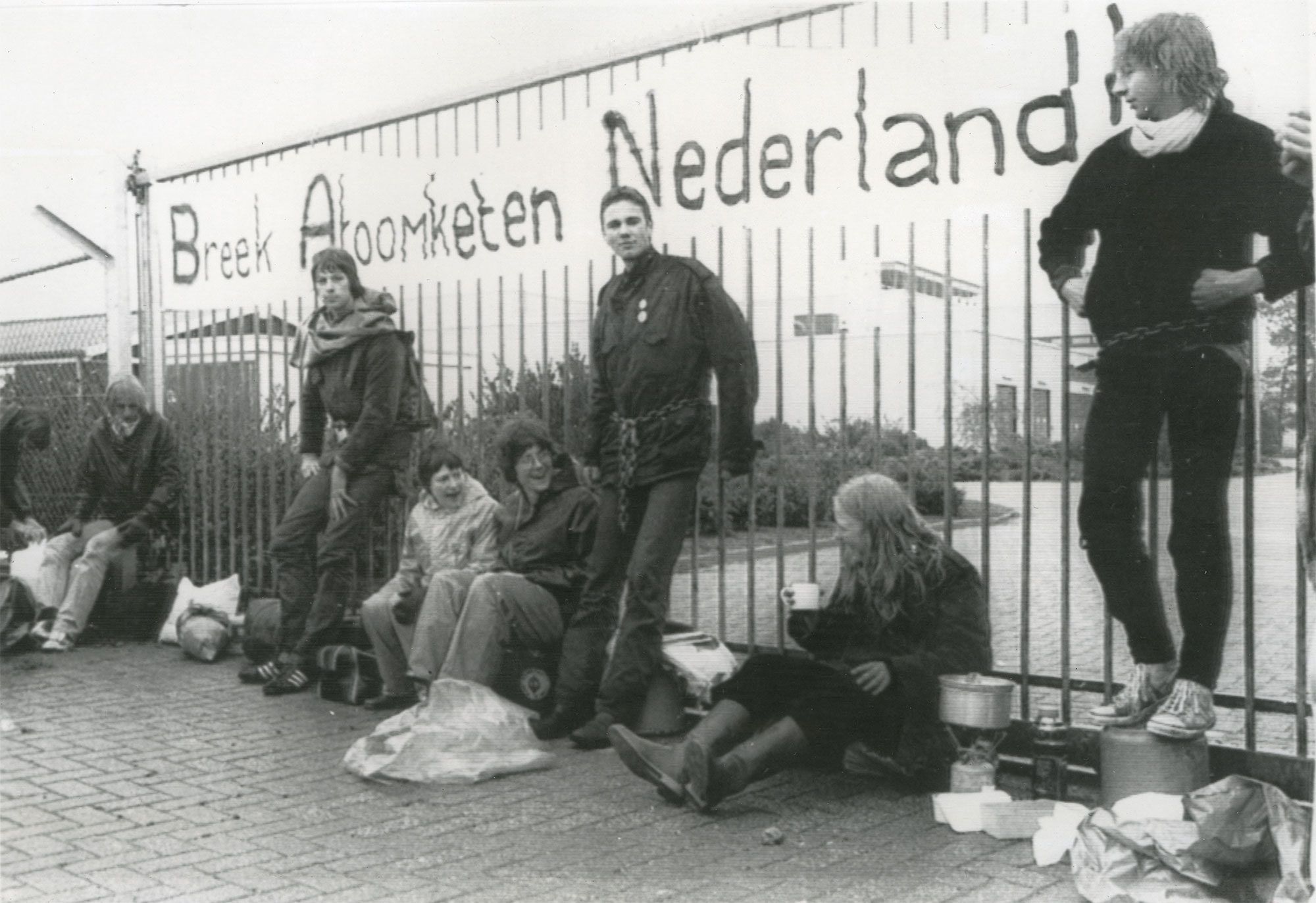
The collections of the International Institute of Social History (IISG) comprise 50 kilometres of archival material on labour, social movements and protest around the world. Researcher Mathijs Boom uses these archives for a study of the struggle over nuclear energy in the Netherlands in the 1970s and 1980s.
Get in touch
Want to know more about the exhibition, or have an idea for a future window? Then get in touch with the Amsterdam Humanities Hub.