For best experience please turn on javascript and use a modern browser!
You are using a browser that is no longer supported by Microsoft. Please upgrade your browser. The site may not present itself correctly if you continue browsing.
A living lab is located in a defined physical area where various parties work together on an innovative solution in a real-life setting. This “real-life” environment is necessary to develop innovative solutions that can survive the complexity of real life and everyday practice.
Living Lab in short
Term

2 years minimum

The minimum duration of a Living Lab is two years, with the aim of having a longer-term commitment.
Goal

'Real life' solutions

In a “real life” location, innovative solutions to social challenges are developed through co-creation. The partners' investments in terms of time and/or money are clearly defined in advance.
Scope

1 or more partners

Depending on the nature of the issue, one or more partners are involved.
Financial

Internal and/or external financing

Internal and/or external funding is required to actually carry out work on site.
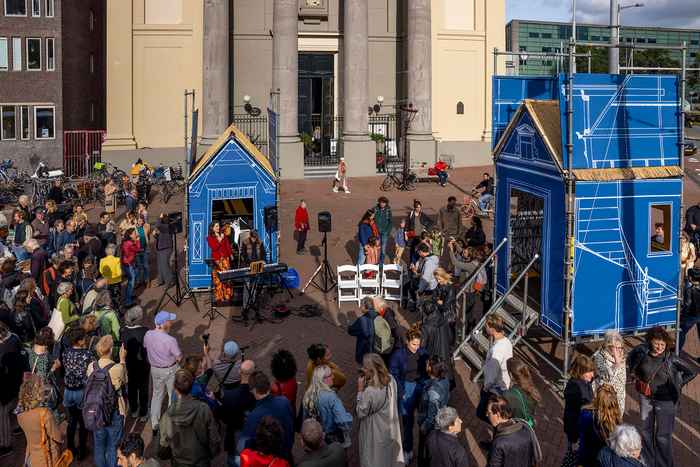
Sukkot at Waterlooplein
The Jewish City

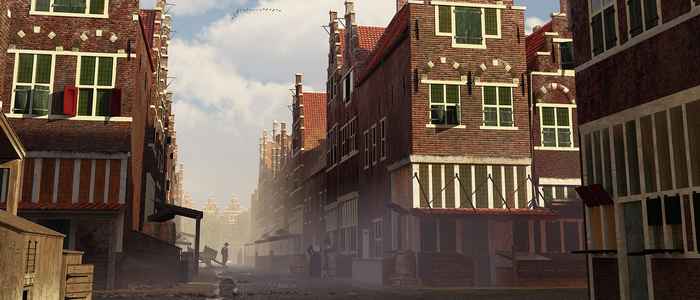
Started as a co-creation project with a pilot in the Jewish neighbourhoods of Vlooienburg and Uilenburg, the Jewish City project has grown into a social venture with expansions to the Plantage and Rivierenbuurt neighbourhoods. Academics from the University of Amsterdam are working with the Jewish Cultural Quarter and the City of Amsterdam to make Jewish history and culture more visible in the city.

Contact

Margo Keizer
director Amsterdam Humanities Hub
Boudewijn Koopmans
impact developer UvA Faculty of Humanities
Other forms of collaboration
The University Quarter is home to a unique concentration of humanities expertise and talent. Companies can collaborate with students, researchers and entrepreneurs in various ways.